


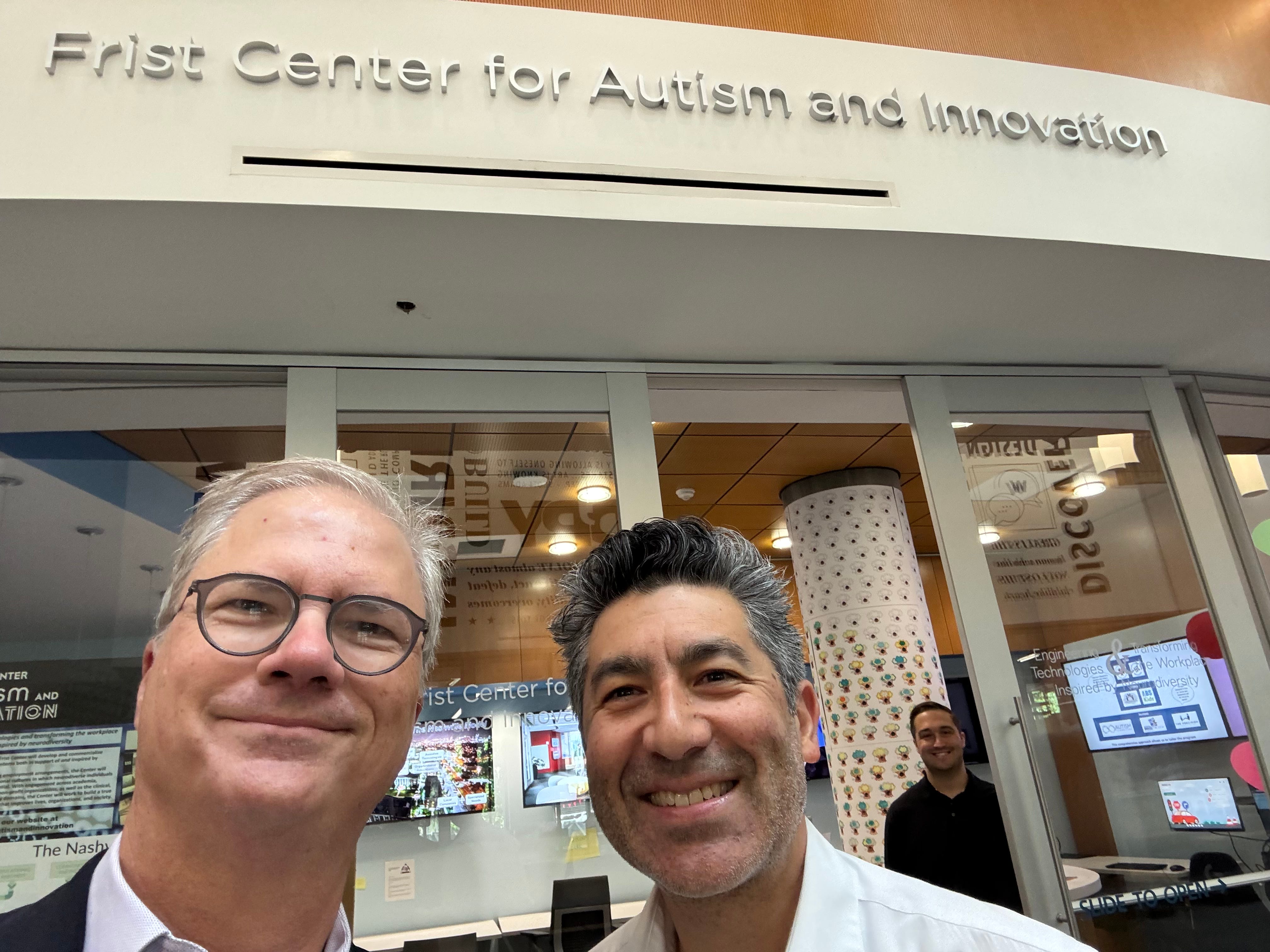
In researching my new book on autism, one of the groups I’ve wanted to visit most is the Frist Center for Autism and Innovation at Vanderbilt. Led by astrophysicist and 2024 MacArthur Fellow, Keivan Stassun, the center is located in engineering and the business school. Stassun is the father of an autistic son and is leading efforts to help autistic people find ways to achieve their goals, particularly around employment and functioning in the neurotypical world. I knew about the center because I had met the associate director, Dave Caudel, at a disability conference. Caudel — who is autistic himself — is one of the best people in the country at helping autistic people find employment if they choose to.
It was an inspirational day. I met clinicians, engineers, business folks, and education scholars all working together to help autistic people and their families find belonging and fulfillment. I had the opportunity to do a fireside chat with Amy Weitlauf, a clinician and researcher who works with autistic children and their families. She asked me a lot of great questions, and it was the first time I did a talk since I announced that I was working on the book, so I had a chance to explain what I’m working on in more detail than I did on here a few weeks ago.
Here’s the video of our chat:
I saw plenty of cool stuff. One was a new simulator to help autistic people learn to drive. Autistic folks have a hard time driving for a bunch of different reasons. For me, it’s a struggle in town when there a so many different signals to process. I also learned from the researchers at Vanderbilt that impaired theory of mind (the ability to predict the actions and thoughts of other people) makes it hard for us to anticipate the actions of other drivers. Here’s the simulator:
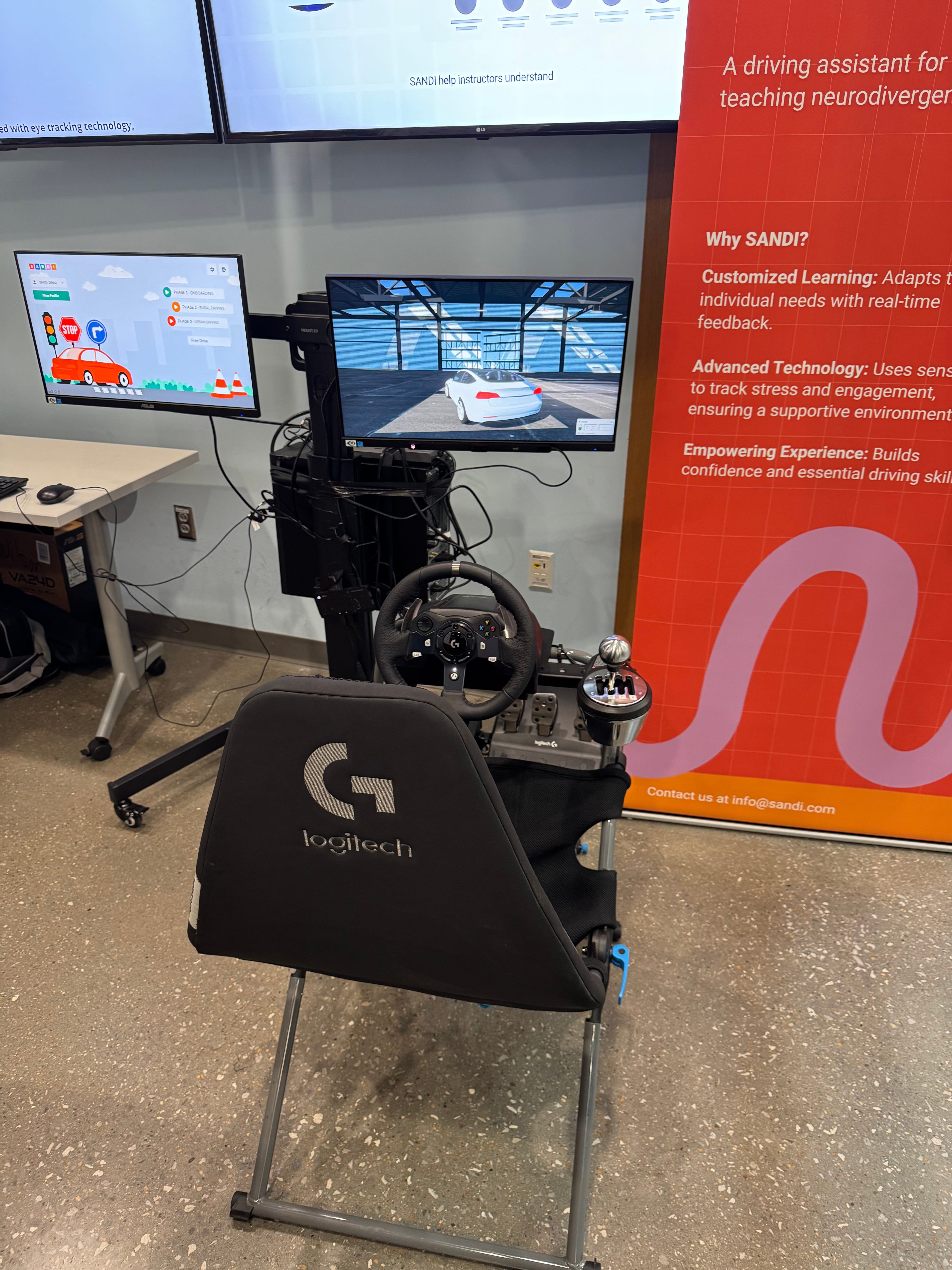
I only did it once, and I failed in 4 minutes. But I could see how doing it some more could be a big help. It has eye tracking and biometric stress monitors.
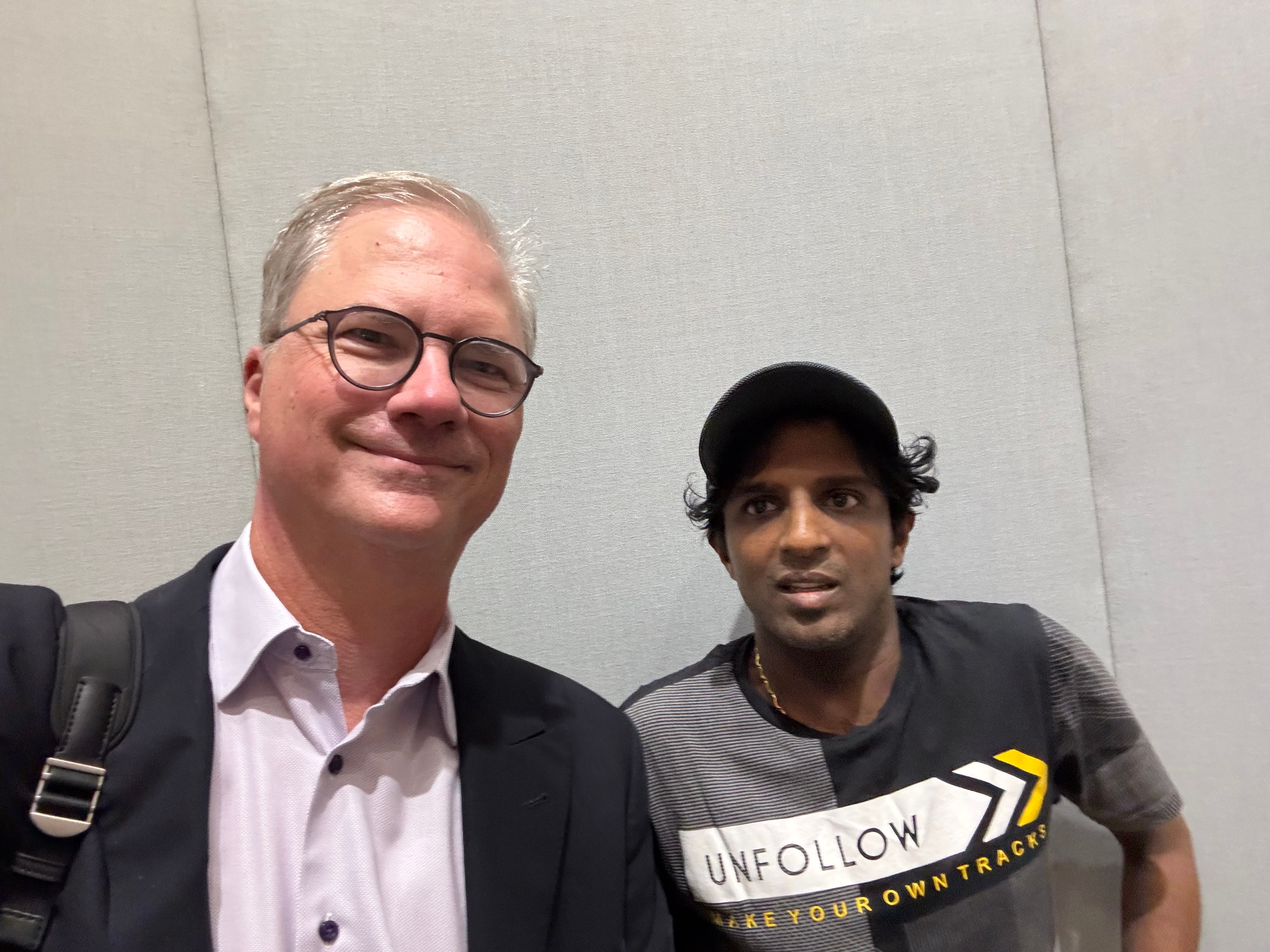
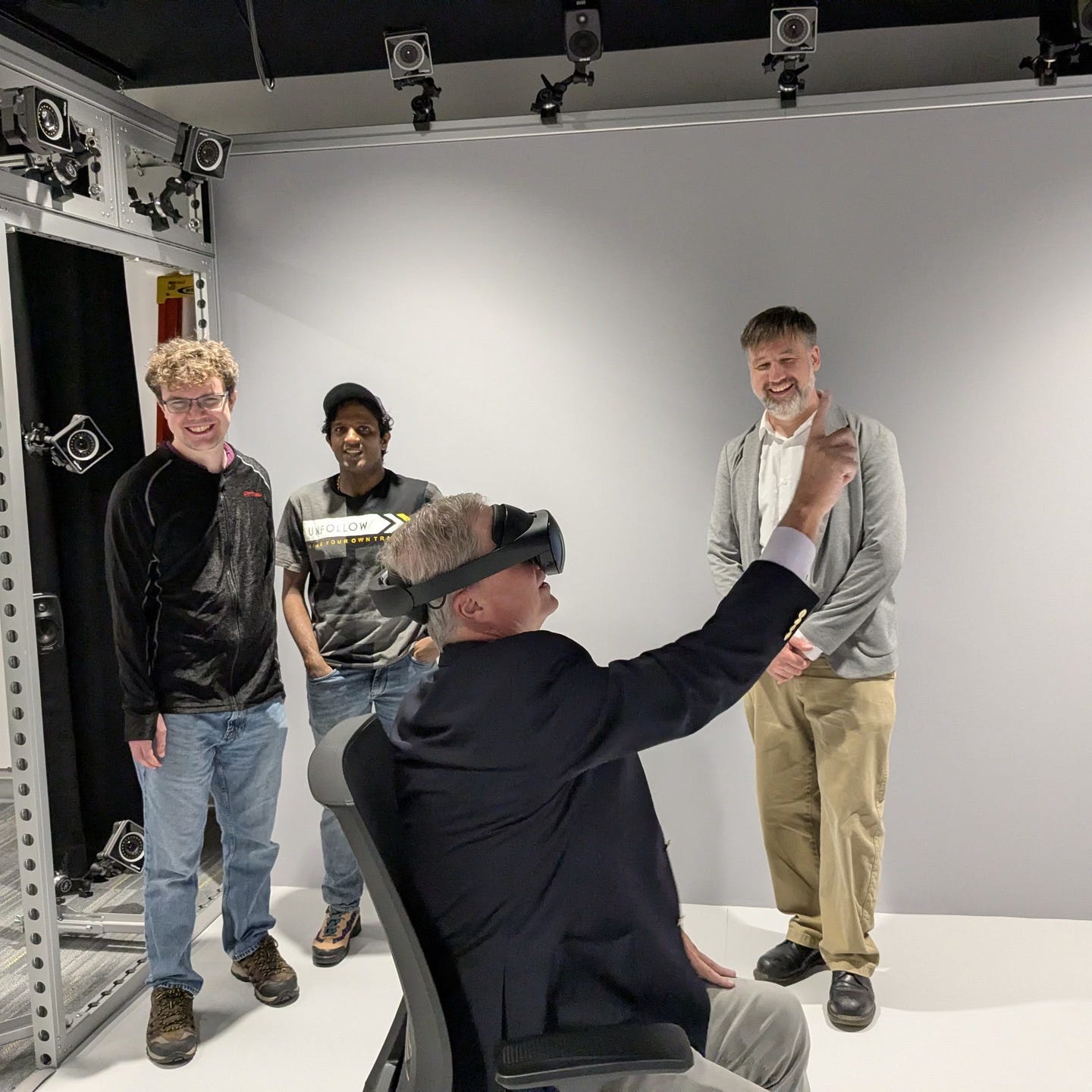
I also met for the first time in person Hari Srinivasan. Hari is a non-verbal autistic researcher who will receive his PhD soon when he will become the first non-verbal autistic person to get a PhD. I had met Hari online before but not in person. Hari’s research has developed a virtual reality bubble test to measure the personal space of autistic people.
Here’s the bubble test:
More to come on all I learned in Nashville. Thanks to Keivan, Amy, Hari, and everyone else for an inspirational trip!!
17 Autism risk factors: low Vitamin D, virus, vaccine, mercury etc. - many studies
https://open.substack.com/pub/hlahore/p/17-autism-risk-factors-low-vitamin?